

Seychelles Hosts Regional Tropical Cyclone Committee, Calls for Stronger Collaboration on Climate Resilience
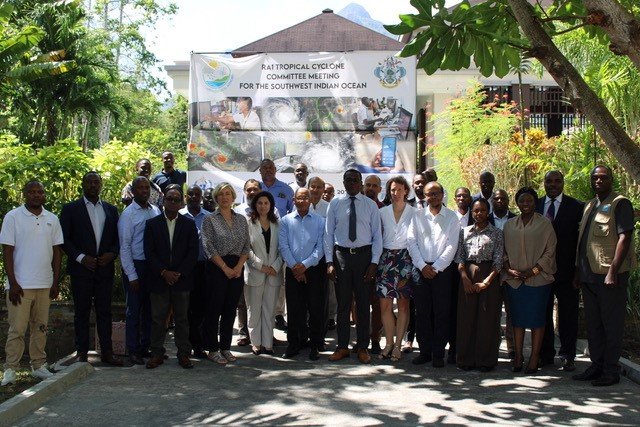
The Seychelles Meteorological Authority (SMA) hosted the 26th Session of the Regional Association I Tropical Cyclone Committee (RA I TCC-26) for the Southwest Indian Ocean at the Savoy Seychelles Resort & Spa from 6 to 8 October 2025. The meeting brought together meteorological leaders, experts, and representatives from across the region under the auspices of the World Meteorological Organization (WMO).
The session underscored Seychelles’ vulnerability to tropical cyclones and highlighted the urgent need for strengthened regional cooperation to address growing climate risks. Discussions emphasized that tropical cyclones pose both direct and indirect threats to island and mainland states alike, affecting communities, infrastructure, ecosystems, and livelihoods across the Southwest Indian Ocean.
Recent cyclones, including Chido, Garance, and Jude, were cited as reminders of the devastating impacts these systems continue to have across the region, affecting countries such as Seychelles, Mauritius, Madagascar, Comoros, Mozambique, and Malawi. Participants reaffirmed that tropical cyclones do not respect national borders, making collaboration essential to improving preparedness, forecasting accuracy, and communication systems.
Established in 1973, the Tropical Cyclone Committee remains a cornerstone of regional cooperation, providing a platform for knowledge exchange and coordinated action. The meeting acknowledged the vital role of the Tropical Cyclone Programme (TCP) and the Regional Specialized Meteorological Centre (RSMC) La Réunion in delivering high-quality forecasts and guidance that contribute to saving lives and reducing damage.
The 26th session focused strongly on advancing the WMO’s Early Warnings for All (EW4All) initiative, which aims to ensure universal coverage by multi-hazard early warning systems by 2027. Participants highlighted the importance of transforming forecasts into timely, actionable information that reaches communities most at risk.
The meeting concluded with a shared commitment to enhancing regional data sharing, strengthening forecasting technologies, expanding training opportunities, and improving support for vulnerable communities.
The next session of the Regional Association I Tropical Cyclone Committee is scheduled to take place in 2027, continuing the region’s long-standing collaboration to reduce disaster risks and strengthen resilience in the face of an evolving climate.