

Seychelles Meteorological Authority Strengthens Impact-Based Forecasting and Early Warning Services
The Seychelles Meteorological Authority (SMA) convened a high-level stakeholder workshop on Impact-Based Forecasting and Early Warning Services on 19 March 2026 at L’Escale Resort Marina & Spa, bringing together 56 participants from key national institutions, technical partners, and the international meteorological community. The workshop forms part of SMA’s ongoing efforts to enhance early warning systems and strengthen the country’s capacity to anticipate, prepare for, and respond to weather- and climate-related hazards.
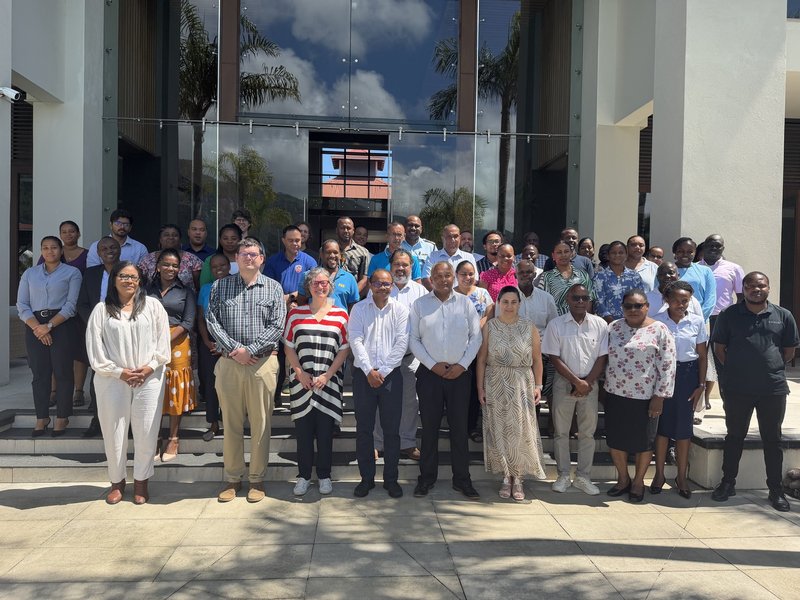
In his opening remarks, Mr Wills Agricole, Technical Advisor to the Minister for Environment, Climate, Energy and Natural Resources, underscored the importance of reinforcing disaster preparedness and climate resilience in Seychelles. He highlighted that, as a Small Island Developing State, the country remains exposed to hazards such as heavy rainfall, flooding, coastal impacts, and strong winds, which are increasingly influenced by climate variability and change.
He emphasised that meteorological services worldwide are transitioning towards impact-based forecasting, an approach that focuses not only on predicting weather events but also on understanding and communicating their potential consequences on communities, infrastructure, and livelihoods. In this context, the Seychelles Meteorological Authority has already been applying impact-based forecasting and is now further strengthening and enhancing this approach. This shift — from focusing on what the weather will be to explaining what the weather will do — enables more informed decision-making and supports timely and targeted action across sectors. It also contributes directly to the implementation of the Early Warnings for All initiative, which aims to ensure that everyone is protected by effective early warning systems.
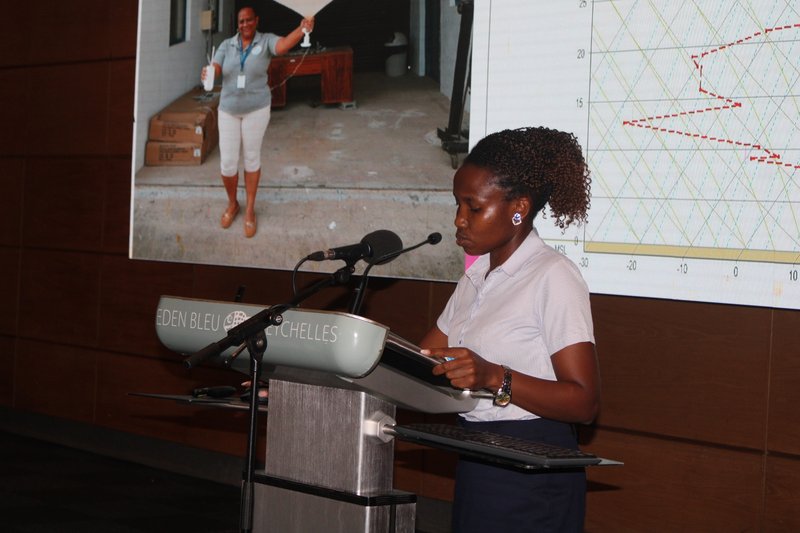
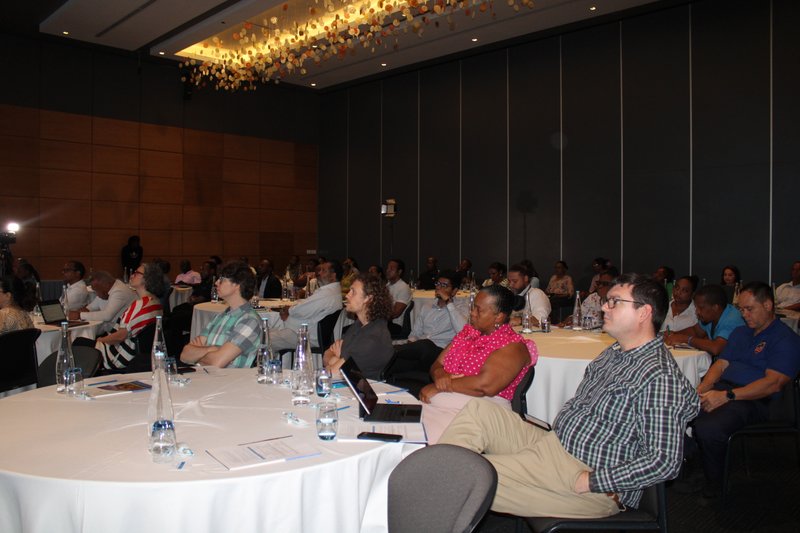
The workshop provided a platform for SMA to present its current impact-based forecasting and early warning services, which aim to translate meteorological, hydrometeorological, and climate information into clear and actionable guidance for decision-makers and the public. The agenda featured a series of technical presentations and discussions, including an overview of these services at SMA, as well as an exchange on international experience from GeoSphere Austria through the Austrian Multi-Hazard Impact-based Advice Service (AMAS). Participants also explored practical aspects such as forecast improvements, including high-resolution modelling over Seychelles and the Flash Flood Guidance System, followed by an interactive discussion on strengthening impact-based forecasting and early warning services in the national context.
The workshop also featured the contribution of GeoSphere Austria, the National Meteorological Service of Austria, which shared its experience in implementing the Austrian Multi-Hazard Impact-based Advice Service (AMAS). This system brings together expertise from multiple sectors to deliver coordinated, impact-based advice to decision-makers. The exchange of knowledge provided valuable insights for Seychelles, while reinforcing the importance of adapting international best practices to the national context.
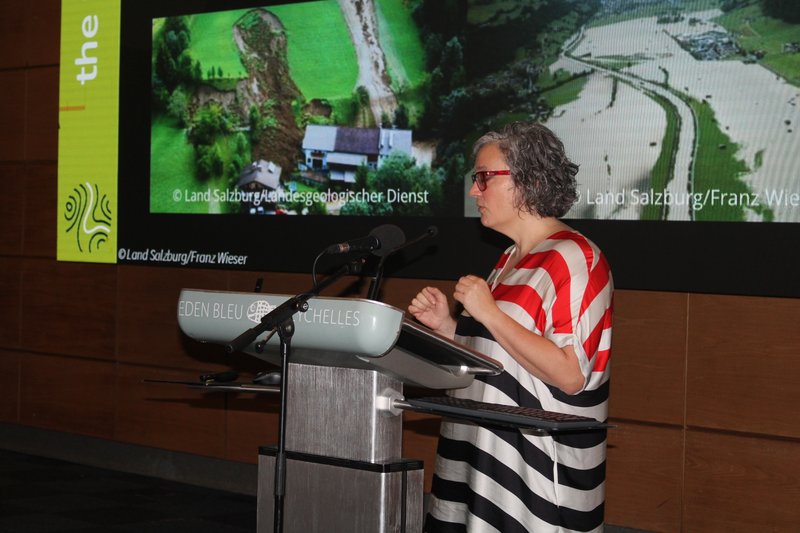
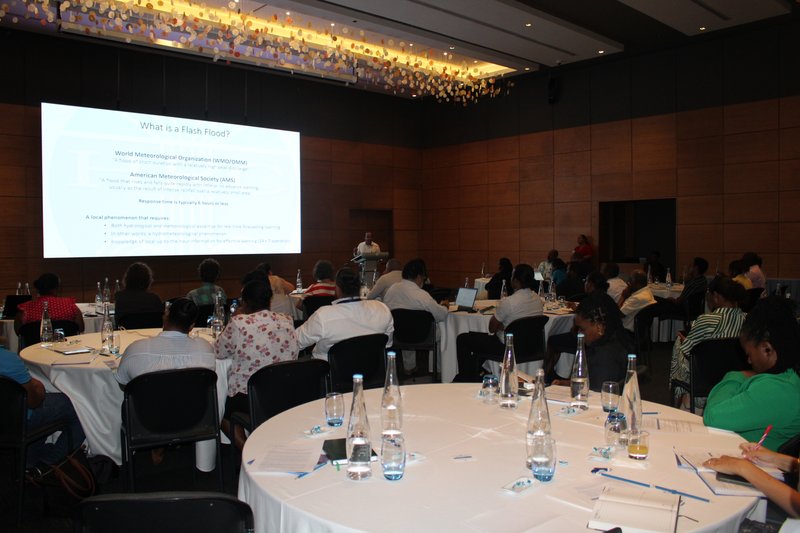
Participants engaged in discussions on strengthening the use of weather and climate information for preparedness and response, enhancing coordination among institutions involved in disaster risk management, and improving the communication of risks and impacts.
The continued support of the World Meteorological Organization, through the CREWS and ClimSA projects, was also acknowledged as instrumental in advancing meteorological services and early warning systems in Seychelles and other Small Island Developing States.
This workshop contributed to improved awareness of impact-based forecasting and early warning services among stakeholders, strengthened collaboration between SMA and national institutions, and the identification of priority areas for further enhancing early warning systems. It also reinforced the importance of using actionable weather and climate information to support decision-making processes and safeguard lives, infrastructure, and livelihoods.
The Seychelles Meteorological Authority reaffirmed its commitment to working closely with national and international partners to advance early warning services and build a more resilient Seychelles in the face of increasing weather and climate risks.